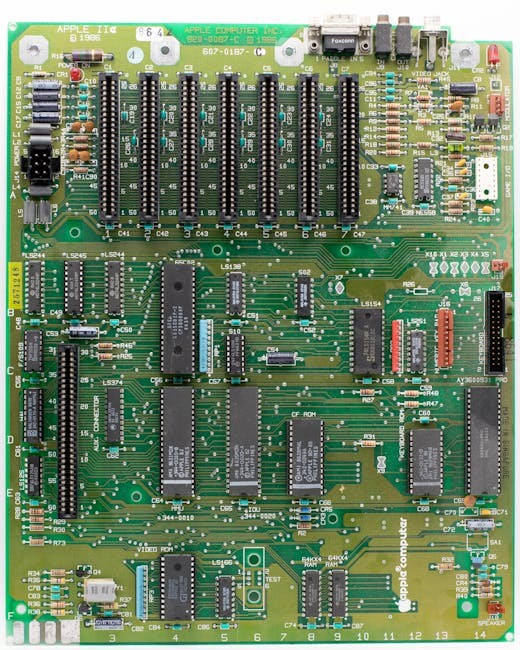
DSC Power 832 Instruction Manual: An Overview
This manual details the DSC Power 832 security system‚ covering setup‚ programming‚ operation‚ and troubleshooting. It ensures optimal performance and user safety.
The DSC Power 832 is a robust and versatile security control panel designed for both residential and commercial applications. This system provides comprehensive protection through its ability to connect various sensors – door contacts‚ motion detectors‚ and smoke detectors – offering a layered security approach. Its user-friendly interface and flexible programming options allow for customization to meet specific security needs. Understanding this manual is crucial for maximizing the system’s potential and ensuring reliable operation‚ safeguarding your property and loved ones.
Key Features and Specifications
The DSC Power 832 boasts several key features‚ including support for up to 32 zones‚ expandable memory for extensive event logging‚ and multiple arming modes (Stay‚ Away‚ Night). It offers voice programming capabilities and compatibility with various communication modules for remote access. Specifications include a 12V DC power supply‚ battery backup‚ and a compact design for easy installation. This system prioritizes reliability and scalability‚ adapting to evolving security requirements.

Setting Up Your DSC Power 832
Proper installation involves unboxing‚ connecting power‚ and configuring the system. Careful attention to these initial steps ensures reliable operation and optimal security.
Unboxing and Initial Inspection
Carefully unpack the DSC Power 832 control panel and all included accessories. Verify the package contents against the packing list‚ ensuring all components are present and undamaged. Inspect the control panel for any physical damage incurred during shipping. Check for bent corners‚ cracks‚ or loose connections.
Retain the original packaging for potential future returns or servicing. Document any discrepancies or damage immediately and contact your dealer for assistance before proceeding with installation.
Connecting Power and Peripherals
Before connecting power‚ ensure the system is completely disconnected from any external power sources. Connect the provided power adapter to the control panel and a suitable power outlet. Then‚ connect all wired sensors‚ keypads‚ and communication modules to their designated terminals on the control panel. Refer to the wiring diagram for correct terminal assignments. Double-check all connections for secure fit and proper polarity before applying power;
Initial System Configuration
Upon powering up‚ the DSC Power 832 will prompt for initial configuration settings. This includes setting the date and time‚ choosing a master user code‚ and defining the communication method. Configure the system language and display preferences. The installer code may be required for advanced settings. Carefully follow the on-screen prompts to ensure accurate configuration for optimal system functionality and security.

Understanding the Control Panel
The DSC Power 832 control panel features a user-friendly interface with a display screen‚ keypad‚ and status indicators for easy operation.
Main Menu Navigation
Accessing the main menu on the DSC Power 832 is typically done by pressing the “Menu” or “Master” key on the keypad. From here‚ users can navigate through various options like system settings‚ user codes‚ zone programming‚ and event logs.
Utilize the arrow keys to scroll through the menu items and the “Enter” or “OK” key to select a desired function. The system’s intuitive layout allows for straightforward access to all core functionalities‚ ensuring efficient control and customization of your security system.
Display Indicators and Symbols
The DSC Power 832 control panel utilizes various display indicators and symbols to communicate system status. A “Disarmed” icon signifies the system is inactive‚ while a “Armed” icon indicates active protection.
Symbols like a flashing zone number denote a triggered sensor‚ and a “Trouble” indicator signals a system fault. Understanding these visual cues is crucial for interpreting system behavior and responding appropriately to alerts‚ ensuring prompt and effective security management.
Programming Modes
The DSC Power 832 offers several programming modes for customized security. “Installer Code” mode allows advanced system configuration‚ including zone definitions and communication settings.
“User Code” mode enables individual user access control and personalized settings; “Test Mode” facilitates sensor verification‚ ensuring proper functionality. Careful navigation through these modes is essential for tailoring the system to specific needs and maintaining optimal security performance.
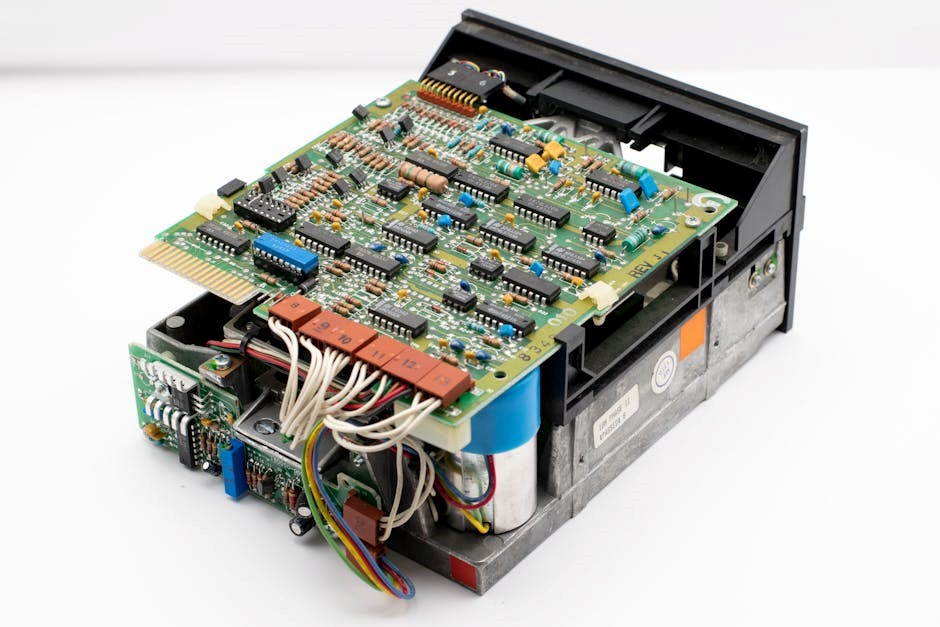
Programming the DSC Power 832
Customize your system with user codes‚ zone settings‚ and sensor configurations. Proper programming ensures optimal security and tailored functionality for your needs.
User Code Creation and Management
Establishing secure user codes is paramount for system control. The DSC Power 832 allows for multiple unique codes‚ granting varying levels of access. Master codes provide full system control‚ while individual user codes limit access to specific functions. Regularly update codes and avoid easily guessable combinations like birthdays.
Proper management prevents unauthorized access and maintains system integrity. Deleting unused codes and monitoring user activity are crucial security practices. The system logs code usage‚ aiding in identifying potential breaches or misuse.
Zone Programming (Entry/Exit Delays)
Configuring appropriate entry and exit delays is vital for preventing false alarms. The DSC Power 832 allows customization of these delays for each zone‚ accommodating varying access points and user needs. Entry delays provide time to disarm the system upon entering‚ while exit delays allow safe departure.
Careful programming ensures smooth operation. Shorter delays offer quicker response‚ but risk false alarms; longer delays provide convenience but increase vulnerability. Regularly review and adjust these settings based on usage patterns.
Sensor Configuration
Proper sensor configuration is crucial for reliable security. The DSC Power 832 supports various sensor types – door/window contacts‚ motion detectors‚ and glass break sensors – each requiring specific programming. Define each sensor’s zone‚ sensitivity‚ and response type within the system.
Accurate configuration minimizes false alarms and maximizes detection effectiveness. Regularly test sensors to ensure optimal functionality and adjust settings as needed based on environmental factors and potential interference.

Arming and Disarming the System
This section explains how to arm the system in Stay‚ Away‚ and Night modes‚ and details the proper disarming procedures for security.
Arming Modes (Stay‚ Away‚ Night)
The DSC Power 832 offers three primary arming modes to suit different security needs. “Stay” mode arms the perimeter zones – doors and windows – while allowing movement inside. “Away” mode arms all zones‚ providing full protection when the premises are unoccupied. “Night” mode is a customizable option‚ often used to arm perimeter zones and selected interior zones‚ ideal for nighttime security while occupants are asleep. Understanding each mode’s function is crucial for effective system use and ensuring appropriate protection levels.
Disarming Procedures
Disarming the DSC Power 832 requires entering a valid user code via the control panel keypad. Upon entering the code within the designated entry delay period‚ the system will deactivate‚ silencing any triggered alarms. Failure to disarm within the delay will result in an alarm event. Remember to familiarize all authorized users with the correct disarming procedure to avoid false alarms and ensure swift system control. Always verify the system status after disarming.
Bypass Zones
The DSC Power 832 allows temporary bypassing of specific zones during arming. This feature is useful when a sensor is faulty or a window is open‚ preventing unwanted alarms. Access the programming mode to select zones for bypass. Bypassed zones will not trigger an alarm while the system is armed‚ but will remain monitored when re-enabled. Remember to reinstate bypassed zones promptly after resolving the initial issue for complete security coverage.
Responding to Alarms
Upon alarm activation‚ the DSC Power 832 initiates a verification process. Follow established procedures for panic alarm activation and system reset protocols.
Alarm Verification Process
The DSC Power 832 employs a multi-stage alarm verification process to minimize false alarms. Upon initial zone activation‚ the system may attempt to verify the alarm through dual-technology detection or by requesting a user code. This confirmation step helps distinguish between genuine threats and accidental triggers.
Depending on programming‚ the system may also contact a monitoring station for further verification before dispatching emergency services. Timely response and accurate information are crucial during this phase‚ ensuring appropriate action is taken.
Panic Alarm Activation
The DSC Power 832 offers multiple panic alarm activation methods for immediate assistance. Users can trigger a panic alarm via a dedicated key on the keypad‚ through the remote control (if equipped)‚ or by entering a pre-programmed panic code.
Activation instantly transmits a silent or audible alarm signal to the monitoring station‚ alerting authorities to a potential emergency. Regular testing of the panic alarm function is recommended to ensure proper operation and user familiarity.
System Reset After Alarm
Following an alarm event‚ the DSC Power 832 requires a system reset to return to normal operation. This is typically achieved by entering a valid user code on the keypad after the alarm condition has been verified and resolved.
The reset process clears the alarm memory and restores the system to its armed or disarmed state. Ensure all entry/exit points are secure before resetting to prevent false alarms. Contact your monitoring company if issues persist.
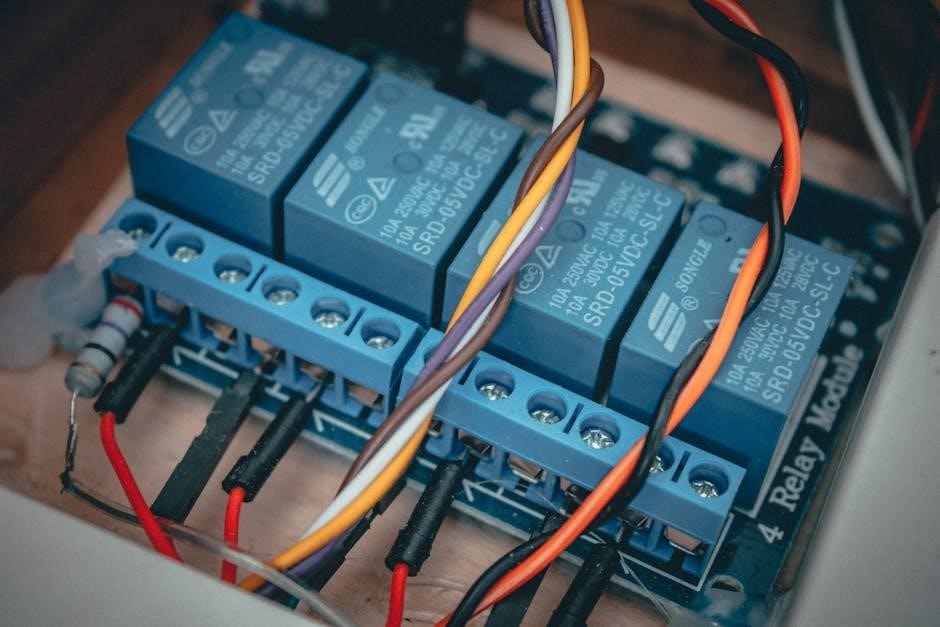
Troubleshooting Common Issues
This section addresses frequent problems with the DSC Power 832‚ including low battery warnings‚ communication failures‚ and sensor malfunctions for quick resolution.
Low Battery Warnings
The DSC Power 832 utilizes a low battery warning system to alert users of diminished power in the control panel or wireless sensors. A “Low Battery” message will appear on the display‚ or an audible chirp may sound. Immediately replace batteries in affected sensors. For the control panel‚ contact a qualified technician for battery replacement‚ as it requires specific procedures. Ignoring these warnings can lead to system failure and compromised security. Regular battery checks are crucial for reliable operation.
Communication Failures
The DSC Power 832 relies on consistent communication with the monitoring center. A “Communication Failure” indicates a loss of signal‚ potentially due to a phone line issue‚ cellular network outage‚ or internet connectivity problem. Verify phone line connections or cellular signal strength. If using internet communication‚ check your router. Contact your monitoring company to report the failure and restore connection promptly. A failed communication link renders alarm signals unable to reach emergency services.
Sensor Malfunctions
Sensor malfunctions on the DSC Power 832 can trigger false alarms or leave zones unprotected. Common issues include low batteries‚ wiring problems‚ or physical damage. The system display will indicate a “Fault” for affected zones. Inspect sensors for obstructions or damage. Replace batteries in wireless sensors immediately. If the problem persists‚ check wiring connections at the control panel and sensor itself. Contact a qualified technician for complex repairs or replacements.
Advanced Features
The DSC Power 832 offers remote access‚ detailed event log reviews‚ and convenient firmware updates for enhanced security and system customization.
Remote Access and Control
The DSC Power 832 system facilitates remote control and monitoring via compatible smartphone applications or web browsers. Users can arm or disarm the system‚ bypass zones‚ and receive real-time notifications of alarm events from virtually anywhere with an internet connection. This feature provides peace of mind and allows for immediate response to potential security breaches‚ enhancing overall system effectiveness. Secure communication protocols ensure data privacy during remote access sessions.
Event Log Review
The DSC Power 832 maintains a detailed event log‚ recording all system activities‚ including arming/disarming events‚ alarm triggers‚ sensor activations‚ and communication status. Users can access this log through the control panel interface or remotely via connected software. Reviewing the event log aids in identifying potential security issues‚ troubleshooting system malfunctions‚ and understanding historical system behavior. Regularly checking the log ensures optimal system performance and security.
Firmware Updates
Maintaining up-to-date firmware on your DSC Power 832 is crucial for optimal performance‚ security enhancements‚ and compatibility with new features. Updates are typically available through the manufacturer’s website or via a connected service provider. Carefully follow the provided instructions during the update process to avoid system interruption. Regular firmware updates address potential vulnerabilities and ensure the system operates efficiently.
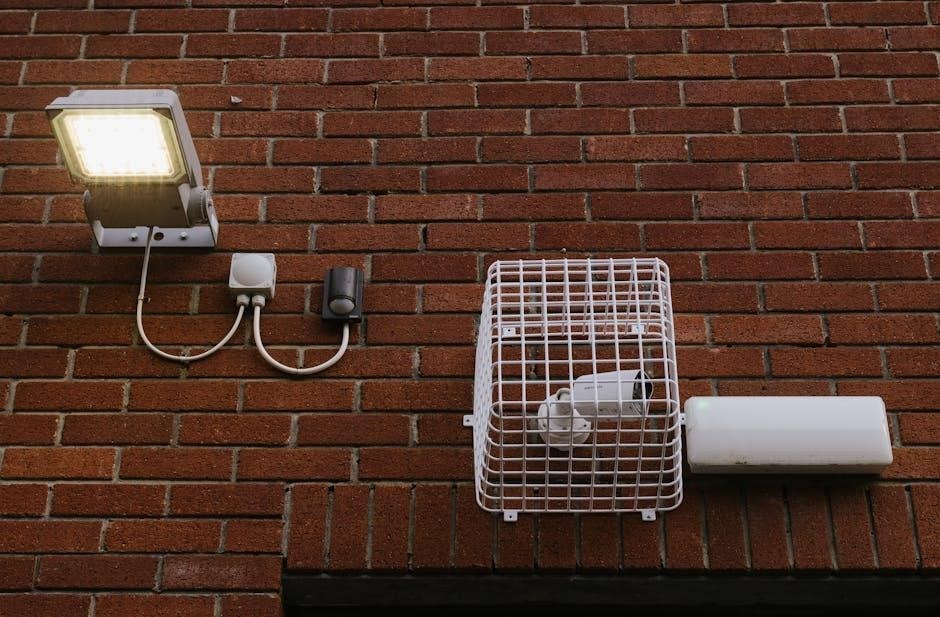
Maintenance and Care
Regular system testing‚ battery replacements‚ and gentle cleaning of the control panel are essential for reliable operation and longevity of the DSC Power 832.
Battery Replacement
The DSC Power 832 utilizes backup batteries to maintain system functionality during power outages. Regularly inspect battery levels‚ as low battery warnings indicate impending failure. Replacement requires careful attention to polarity and using compatible battery types – typically sealed lead-acid or lithium-ion.
Always disconnect the main power source before battery work. Properly dispose of old batteries according to local regulations. Following these steps ensures uninterrupted security and avoids system errors.
Cleaning the Control Panel
Maintaining a clean DSC Power 832 control panel ensures optimal readability and longevity. Use a soft‚ dry cloth to gently wipe the surface‚ removing dust and fingerprints; Avoid abrasive cleaners‚ solvents‚ or excessive moisture‚ as these can damage the display and internal components.
Regular cleaning prevents buildup and maintains a professional appearance. Disconnect power before cleaning for added safety and to prevent accidental activation.
Regular System Testing
Consistent testing of your DSC Power 832 system is crucial for verifying functionality and ensuring reliable security. Perform walk tests monthly‚ activating each zone to confirm signal transmission to the monitoring station. Test the panic alarm to ensure immediate response capabilities.
Document test results and address any failures promptly. Regular testing provides peace of mind and confirms the system’s readiness in an emergency.
Golden Ratio for Teriyaki Sauce (Related to System Customization)
Like customizing system zones‚ teriyaki’s 2:2:2:1 ratio (soy sauce‚ mirin‚ sake‚ sugar) offers a balanced foundation for flavorful adjustments.
Understanding the 2:2:2:1 Ratio (Soy Sauce‚ Mirin‚ Sake‚ Sugar)
Just as the DSC Power 832 relies on precise programming for security‚ teriyaki sauce achieves balance with a specific ratio. The 2:2:2:1 blend – two parts soy sauce‚ two parts mirin‚ two parts sake‚ and one part sugar – creates a foundational flavor profile. This isn’t rigid; adjustments are possible. Mirin adds sweetness and glaze‚ sake contributes depth‚ and soy sauce provides umami. Sugar balances the saltiness‚ resulting in a harmonious taste. Understanding this ratio is key to customizing the sauce‚ mirroring the system’s customizable zones and settings;
Adjusting Sweetness Levels
Similar to fine-tuning sensor sensitivity on the DSC Power 832‚ teriyaki sauce sweetness is easily adjusted. Increase sugar incrementally for a sweeter profile‚ or reduce it for a more savory taste. Consider the protein; richer meats benefit from more sweetness. Experimentation is crucial – a little goes a long way. Remember‚ just as the system adapts to your needs‚ the sauce should reflect your preference. Balancing sweetness prevents overpowering the other flavors‚ ensuring a harmonious and enjoyable result‚ much like a well-configured security system.
Reducing Thickness of the Sauce
Analogous to adjusting communication settings on the DSC Power 832 for optimal signal strength‚ teriyaki sauce thickness is readily controlled. Add a small amount of water or sake to thin the sauce gradually. Avoid over-dilution‚ which can compromise flavor. Consistent stirring ensures even consistency. Just as a stable connection is vital for security‚ a proper sauce consistency enhances its application and overall appeal. Monitor closely‚ adding liquid incrementally until the desired texture is achieved‚ mirroring precise system calibration.

Storing Homemade Teriyaki Sauce (Related to System Memory)
Like the DSC Power 832’s event log‚ homemade teriyaki sauce benefits from proper storage; Freezing preserves quality for up to four days‚ mirroring data retention.
Freezing for Long-Term Storage (Up to 4 Days)
Similar to how the DSC Power 832 utilizes memory to retain event logs‚ freezing teriyaki sauce preserves its quality. While convenient‚ remember that homemade sauce‚ like system data‚ degrades over time. Optimal freezing duration is limited to four days to maintain flavor integrity. Use airtight containers to prevent freezer burn‚ analogous to protecting system data from corruption. Thaw completely before use for best results‚ ensuring consistent flavor‚ much like a system reboot for optimal function.
Optimal Storage Containers
Just as the DSC Power 832 requires a secure enclosure‚ teriyaki sauce benefits from proper containment. Airtight glass or plastic containers are ideal‚ mirroring the system’s tamper-proof design. These prevent oxidation and maintain flavor‚ similar to protecting the control panel from environmental factors. Avoid metal containers‚ which can react with the sauce. Proper storage‚ like regular system maintenance‚ ensures longevity and prevents degradation‚ preserving the sauce’s quality for future use.
Achieving Professional Teriyaki Flavor (Related to System Calibration)
Like calibrating the DSC Power 832 for accuracy‚ balancing teriyaki’s sweetness and savoriness is crucial for a refined‚ consistent flavor profile.
Balancing Sweetness and Savory Notes
Just as the DSC Power 832 requires precise zone programming for optimal security‚ teriyaki demands a harmonious blend of sweet and savory. Achieving this balance‚ mirroring system calibration‚ prevents a cloying or bland result. The 2:2:2:1 ratio (soy sauce‚ mirin‚ sake‚ sugar) provides a foundation‚ but adjustments are key.
Consider the ingredients’ inherent sweetness; mirin and sake contribute significantly. Taste frequently during preparation‚ adding small amounts of sugar or soy sauce to fine-tune the flavor. A professional taste avoids overpowering sweetness‚ allowing the savory umami to shine through‚ much like a well-configured security system provides reliable protection.
Avoiding a Bland or Watery Taste
Similar to ensuring robust signal strength in a DSC Power 832 system‚ a flavorful teriyaki sauce requires careful attention to detail. A bland taste often stems from insufficient soy sauce or an imbalance in the sweet-to-savory ratio. Wateriness results from inadequate reduction; simmering concentrates flavors.
Avoid adding excessive water during cooking. Instead‚ gently simmer the sauce‚ allowing it to thicken naturally. Consistent stirring prevents sticking and ensures even reduction. Just as regular system testing verifies functionality‚ frequent tasting guarantees a vibrant‚ well-defined teriyaki flavor.
Ensuring Consistent Flavor Profiles
Much like maintaining a reliable DSC Power 832 system through programmed settings‚ consistent teriyaki flavor demands precise measurements. Utilizing a consistent ratio – 2:2:2:1 (soy sauce‚ mirin‚ sake‚ sugar) – provides a reliable base.
Record your adjustments for sweetness or thickness. This ‘recipe’ acts as your system’s configuration file. Regular tasting during reduction is crucial‚ mirroring system diagnostics. Documenting these steps guarantees repeatable‚ professional-quality teriyaki every time‚ just as a well-programmed system delivers consistent security.