cybersecurity for dummies pdf
Grab the ultimate Cybersecurity for Dummies PDF and master online safety with simple steps, real-world tips, and fun explanations. Start protecting yourself today!
Grab the ultimate Cybersecurity for Dummies PDF and master online safety with simple steps, real-world tips, and fun explanations. Start protecting yourself today!
Download the latest Route 565 bus schedule PDF now. Get real‑time updates, route maps, and travel tips—all in one handy file for commuters and travelers.
Melting pot recipe book PDFs compile diverse culinary traditions, offering portable, searchable collections that celebrate cultural fusion; They enable quick access to authentic recipes, fostering shared cooking experiences across devices. Ideal for travel. andmore
A melting pot recipe book PDF is a digital anthology that captures the culinary convergence of diverse cultures in one portable document. It aggregates recipes from immigrant communities, regional specialties, and fusion dishes, reflecting ingredient exchange, techniques, and storytelling traditions. The scope goes beyond listings; it offers contextual notes on migration patterns, ingredient sourcing, and preparation methods that honor authenticity while encouraging experimentation. Leveraging the PDF format keeps these compilations device‑agnostic, searchable, and easily shareable, ideal for chefs, food historians, and home cooks. The PDF’s fixed layout preserves fidelity across platforms, while embedded hyperlinks let readers navigate sections, view ingredient substitutions, and access multimedia resources such as instructional videos or interactive maps. Many PDFs also include QR codes linking to live cooking streams, enabling real‑time interaction with chefs worldwide; Collections are curated for sustainability, highlighting seasonal produce, local suppliers, and waste‑reduction techniques. Open‑access PDFs democratize knowledge, allowing users to download, annotate, remix content for personal or educational use. Because PDFs are widely supported, they can be printed for kitchen use or displayed on smart devices without loss of quality. Annotating with notes, ratings, and tweaks fosters a collaborative cooking ecosystem. In sum, a melting pot recipe book PDF is a comprehensive, cross‑cultural culinary resource that balances tradition with innovation, all encapsulated in a universally accessible digital format.
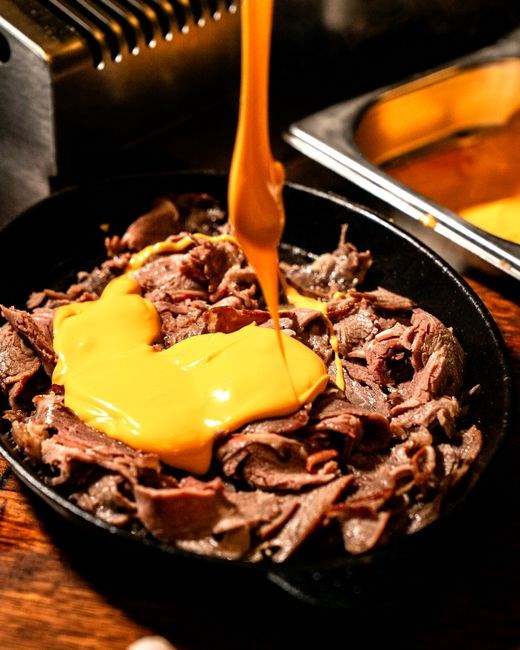
From colonial trade to modern diaspora, melting‑pot dishes evolved, blending spices to and techniques. PDFs now archive this journey, preserving recipes, migration notes, and culinary timelines for future chefs.
Immigrant communities have historically enriched culinary archives by introducing regional staples, preparation methods, and flavor profiles that transcend borders. In the digital age, PDF compilations capture these exchanges, preserving oral histories and family heirlooms in searchable formats. For example, the influx of Caribbean migrants into the United States brought coconut‑based curries, plantain fritters, and jerk seasoning blends, which now appear in contemporary PDF anthologies alongside classic American fare. Similarly, Eastern European refugees contributed rye breads, pierogi dough, and dill‑infused soups, expanding the texture and seasoning vocabulary of North American kitchens. Asian diaspora groups, such as Vietnamese, Korean, and Indian communities, have added complex spice blends, fermented sauces, and noodle‑based dishes, creating cross‑cultural hybrids that are now standard entries in many digital cookbooks. These contributions are not merely additive; they often inspire reinterpretations that fuse local ingredients with traditional techniques, leading to entirely new categories such as “fusion tacos” or “kimchi‑based pasta.” The PDF format allows editors to annotate provenance, note regional variations, and link to multimedia resources, ensuring that the cultural context remains intact. Moreover, community‑run online forums and collaborative editing platforms enable continuous updates, reflecting evolving tastes and migration patterns. As a result, modern recipe collections serve as living documents that chronicle the dynamic interplay between migration, identity, and gastronomy, offering future generations a rich tapestry of culinary heritage. Fuelling curiosity worldwid

PDFs preserve formatting across devices, making recipes consistent. They’re lightweight, searchable, and support annotations. Users can bookmark, add notes, and share links instantly, ensuring a cooking experience
PDF recipe books excel in portability, allowing chefs to carry thousands of dishes in a single file that fits on a smartphone, tablet, or laptop. Searchability is a game‑changer; users can instantly locate a spice, cooking time, or a specific regional dish with a few keystrokes, eliminating the need to flip through printed volumes. Cross‑device compatibility ensures that the same layout and images appear identical whether viewed on an iPad, Android phone, or desktop browser, thanks to the PDF’s fixed‑layout nature. This consistency preserves the visual appeal of complex plating instructions and ingredient lists. Moreover, PDF files support embedded hyperlinks to videos, sourcing sites, and nutritional calculators, enhancing the interactive experience without compromising the document’s integrity. The ability to annotate directly on the PDF—highlighting, adding sticky notes, or drawing quick sketches—lets users tailor recipes to personal preferences or dietary restrictions. Cloud integration further extends portability; services like Google Drive or Dropbox sync the PDF across all devices, enabling real‑time collaboration among family members or culinary teams. Finally, the small file size of well‑compressed PDFs means that even high‑resolution images can be shared via email or messaging apps without excessive bandwidth, making it ideal for chefs and cooks who travel or work remotely. In short, the PDF format delivers a seamless, efficient, and universally accessible culinary reference that adapts to the modern, mobile kitchen today now!

Top sites include Project Gutenberg, Internet Archive, culinary school libraries, open‑access journals. Many chefs share PDFs via GitHub, Medium, dedicated recipe forums, ensuring free, diverse collectionsNow!
Academic and culinary institutions worldwide host digital libraries that include melting pot recipe book PDFs. Universities such as UC Davis and the Culinary Institute of America offer open‑access repositories where students can download curated collections of global cuisines. The FAO provides a digital archive of traditional recipes compiled into PDF format for easy dissemination. Public libraries, through initiatives like the Library of Congress Digital Collections, host scanned cookbooks reflecting multicultural culinary histories. Specialized research centers—such as the Center for Culinary History at Oxford—publish scholarly works that include downloadable PDF compilations of recipes from immigrant communities. These repositories preserve culinary heritage, facilitate comparative studies, and enable chefs to experiment with authentic techniques and cultural insights. Users can search by region, ingredient, or preparation method, making the process of finding a specific dish efficient. Many institutions also provide metadata that cites the original source, ensuring proper attribution and compliance with copyright regulations. By leveraging these academic and culinary resources, enthusiasts and professionals can access a wealth of diverse recipes in a single, portable format!!

PDF editors like Adobe Acrobat, Foxit, and tools such as PDF‑XChange let users annotate, highlight, and reorder pages. Advanced features embed images, hyperlinks, and fonts, turning cookbooks into guides fresh
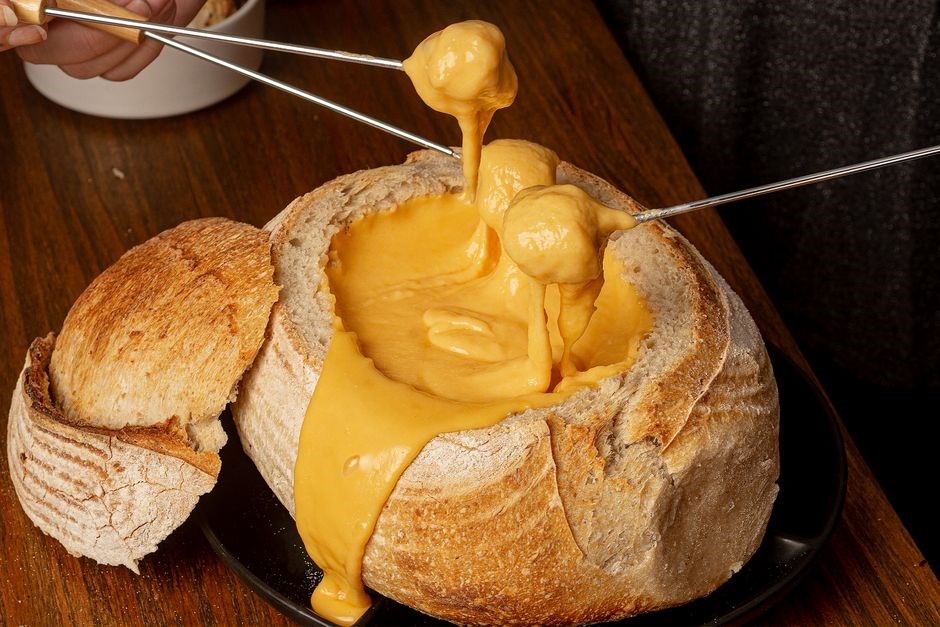
Creators must secure rights for recipes, images, and translations. Public domain works are free, but copyrighted material needs permission or licensing. Proper attributionandlicensing terms safeguard creators and users.

Open‑access PDFs provide free, searchable access to melting‑pot recipes, often under Creative Commons licenses that permit sharing, remixing, or commercial use with attribution. Proprietary PDFs are sold or distributed under restrictive licenses that limit copying, redistribution, or modification, and may require a purchase or subscription. The choice between open and proprietary models shapes how a melting‑pot collection evolves. Open‑access encourages collaborative refinement, crowd‑sourced corrections, and rapid dissemination of new fusion dishes, while proprietary models can offer higher production values, editorial oversight, and revenue streams that support professional writers and designers. For authors, licensing terms dictate how revenue is shared, whether royalties are paid for each download, or if a flat fee grants unlimited use. Users must check the license before embedding a recipe in a blog, a commercial cookbook, or a cooking app. Some open‑access PDFs use CC‑BY‑SA requiring derivative works to carry the same license while others use CC‑BY allowing commercial use. Proprietary PDFs may be distributed under a single‑user license prohibiting sharing beyond the purchaser. Hybrid approaches exist: a publisher may release a basic version for free while offering a premium edition with exclusive content, detailed photographs or interactive features This model balances accessibility with financial sustainability

Digital recipe communities share melting‑pot PDFs, letting chefs upload, annotate, and remix dishes. Tagging and peer review speed culinary innovation, while platforms foster global flavor exchange.
When sharing melting‑pot PDFs, creators gravitate toward cloud‑based hubs that blend storage, collaboration, and discovery. Google Drive and Dropbox remain staples, offering straightforward upload, folder sharing, and real‑time commenting. For public distribution, Scribd and Issuu provide embedded readers and social sharing buttons, while Academia.edu and ResearchGate let culinary scholars attach PDFs to research profiles and invite peer review. Recipe‑centric sites such as Allrecipes, Food52, and Cookpad host user‑generated PDFs within recipe posts, enabling comments, ratings, and forked versions. Open‑access repositories like Zenodo, Figshare, and Dryad support DOI assignment, ensuring long‑term preservation and citation. Code‑centric platforms like GitHub and GitLab host recipe collections as markdown‑converted PDFs, allowing version control and issue tracking. Finally, community‑driven libraries such as LibraryThing and Goodreads offer “cookbook” collections where users tag, review, and share PDFs, creating a social network around culinary knowledge. Each platform balances privacy, discoverability, and ease of use, shaping how melting‑pot recipes circulate worldwide. Niche portals such as FoodGawker, Tasty, and Yummly host PDF‑friendly recipe uploads, while Reddit’s r/cooking and Discord cooking channels provide feedback and updates.

Future PDFs will merge AR overlays, voice‑guided steps. Widgets let users toggle spice levels, swap proteins, and sync timers across devices. Real‑time edits keep recipes fresh worldwide across cultures.!!
Modern Melting Pot recipe book PDFs embed JavaScript and form fields that let users adjust ingredients, toggle dietary filters, and recalculate nutrition instantly. This cooking while preserving authenticity.
Augmented Reality (AR) transforms PDFs: scanning a page launches a 3D model of a dish, overlaying visuals onto the kitchen. Users can rotate the model, view portion sizes, and hear audio narration.
Integration uses PDF‑X3.1 AR tags referencing external 3D assets (GLTF or USDZ). The result blends print PDFs with AR, turning the recipe book into a guide that adapts to each cook’s environment.

Future PDFs will use machine‑learning suggestions to analyze preferences and recommend substitutions or side dishes from other traditions. This synergy of interactivity and AR places Melting Pot recipe books at the forefront of culinary digital innovation.
These PDFs sync across devices, letting users bookmark recipes, add notes, and share versions with friends or culinary communities. The blend of print and AR creates an evolving cooking companion.
Family Fortunes PDFs compile classic quiz questions and answers, enabling quick practice for game nights. They include multiple-choice, fill-in, and ranking prompts, mirroring the TV show’s format. Users can download, print, or share these PDFs for convenient, offline play. Printable score sheets and themed backgrounds enhance fun
Family Fortunes questions and answers PDFs are digital compilations that bring the classic television quiz format into printable or screen‑ready form. They define the game’s core mechanics by presenting a list of popular “most‑popular” style prompts, each followed by a set of ranked responses that mirror the show’s original answer sheets. The purpose of these PDFs is twofold: first, to provide an accessible, low‑cost resource for families, friends, and educators who wish to recreate the lively, competitive atmosphere of the show without needing a broadcast license; second, to serve as a teaching aid that encourages quick thinking, teamwork, and knowledge of cultural references. By offering a ready‑made set of questions, the PDFs eliminate the need for manual creation, allowing users to focus on play rather than preparation. They also support both digital and paper formats, enabling flexible use in classrooms, after‑school clubs, or casual gatherings. The PDFs often include score‑keeping tables, answer keys, and optional variations such as “family‑only” or “mixed‑team” modes, thereby extending the game’s adaptability to different age groups and skill levels. In short, the definition is a structured question‑answer package, and the purpose is to democratize the Family Fortunes experience for anyone who wants to enjoy the game’s humor, challenge, and social interaction. These PDFs are often updated to reflect current pop culture trends, ensuring that the questions remain relevant and engaging for newer generations of players. Because they are free to download and share, these PDFs help break down barriers to participation, making the classic game accessible to households worldwide without the need for expensive licensing agreements. Users can annotate the PDFs with notes, fostering collaborative learning, achievement among family members!!

Family Fortunes PDFs trace back to the 1970s TV quiz, evolving from handwritten cards to digital formats. Early fan‑made PDFs mirrored episode scripts, while modern versions incorporate updated pop culture, interactive scoring, and cross‑platform sharing, reflecting the show’s enduring legacy. Fans love quick witty answers daily

Family Fortunes, originally titled Family Feud, debuted on American television in 1976, conceived by Richard Dawson and producer Mark Goodson. The format was inspired by the British game show Take Your Pick, itself derived from the earlier quiz “The Big Story.” Contestants, drawn from the public, answer survey questions, aiming to match the most popular responses. Early episodes were filmed in a studio with live audiences, banter set a tone. Over the decades, the show has seen multiple hosts—most notably Richard Dawson, Ray Combs, and later John O’Hurley—each adding distinct personality. The quiz’s core mechanics remained stable: two families compete, answering a series of “most popular” questions, with points awarded for matching the top survey results. As television evolved, the show adapted to cable and streaming platforms, expanding its reach beyond the U.S. to versions in the UK, Australia, and India. The popularity of the format spurred a wave of fan‑made materials, including printable PDFs of question banks. These PDFs, often compiled from episode transcripts and official question lists, allow enthusiasts to practice at home. The digital age further accelerated this trend, with online communities sharing updated question sets that reflect contemporary culture and current events. Today, Family Fortunes PDFs are a staple for game‑night enthusiasts, offering nostalgia and content for generations. Collectors and casual players alike cherish these PDFs, as they capture the show’s charm while offering an alternative to gameplay, ensuring every family can enjoy a quiz experience at home. For gatherings.

Family Fortunes PDFs feature survey‑based questions, multiple answer options, and score sheets for quick play. They include printable layouts, themed backgrounds, and easy‑to‑edit templates. Users can customize, print, or share PDFs for family game nights. Play with friends tonight!Now
Family Fortunes PDFs present a mix of question styles that keep gameplay lively and true to the TV show. The main formats are:

Each format comes with a printable answer key and a scoring sheet, making it easy to play offline. PDFs are formatted for standard 8.5”×11” paper, support single‑page or multi‑page layouts, and can be edited in any PDF reader to swap questions or adjust difficulty. This flexibility turns the PDFs into a versatile resource for family game nights, classroom quizzes, or casual gatherings, preserving the classic quiz show feel while offering modern convenience. Enjoy endless rounds of fun and share with friends now.

Primary PDFs come from the official Family Fortunes site, licensed transcripts, and public domain archives. Fans compile question banks from televised episodes, using the show’s guidebooks and fan forums. FamilySearch and genealogy sites add historical trivia to enrich the quiz set for kids!?
Official Family Fortunes transcripts are released by the production company after each episode airs. They contain the exact wording of every question, the multiple‑choice options, and the final answer. These documents are typically available in PDF format on the show’s official website or through licensed distributors. Because the transcripts are copyrighted, they can be used for personal study or in a classroom setting under fair‑use provisions, but they should not be redistributed without permission. For those who want to create their own question banks, the transcripts provide a reliable source of authentic material that can be reformatted into printable PDFs for game nights or educational activities. In addition, FamilySearch.org offers a vast repository of genealogical records that can be cross‑referenced with the show’s family‑centric themes. By searching for surnames, birthplaces, or historical events mentioned in the transcripts, users can add a personal touch to the quiz. For example, a question about a famous inventor can be paired with a FamilySearch record of a relative who worked in the same field, turning a simple trivia game into a family history lesson. The combination of official transcripts and FamilySearch records allows enthusiasts to build comprehensive, legally compliant, and engaging Family Fortunes PDFs that celebrate both pop culture and ancestry.
Moreover, many fan communities host forums where members discuss episode details and share annotated transcripts. These discussions often highlight subtle variations in question wording that can affect scoring. By consulting these community insights, users can ensure their PDFs reflect the most accurate version of each question. Some fans also convert transcripts into interactive quizzes using tools like Google Forms or Kahoot, which can then be exported as PDFs for offline use. When creating such PDFs, it is important to cite the source of each question, either by including a footnote or a reference section at the end of the document. This practice not only respects intellectual property rights but also provides transparency for anyone who wishes to verify the origin of the content. Finally, for those who prefer a more streamlined approach, several commercial services offer pre‑formatted Family Fortunes PDF templates that incorporate official transcripts and genealogical data. These templates can be customized with family photos, personalized titles, and custom scoring sheets, making each game night a unique and memorable experience.
When using Family Fortunes PDFs, respect the show’s copyright. Only share for personal use, not for profit. Fair‑use allows limited excerpts for critique or education, but large‑scale distribution requires permission from the rights holder. Always cite sources. Consult a lawyer for guidance.
When creating or sharing a Family Fortunes questions and answers PDF, the concept of fair use is central. Fair use permits limited copying for purposes such as criticism, comment, news reporting, teaching, scholarship, or research. The four statutory factors—purpose and character of use, nature of the copyrighted work, amount used, and effect on market—guide the assessment; For instance, a teacher compiling a PDF for a classroom quiz may transform the original by adding commentary or analysis, thereby strengthening the fair‑use claim. However, using large blocks of the original question set, especially without transformation, can undermine that defense. Permission from the rights holder is the safest route for any public or commercial distribution. This can be obtained through licensing agreements or by contacting the production company directly. In many cases, the show’s official website or the network’s licensing department offers downloadable content under specific terms. If you plan to distribute the PDF beyond personal use—such as on a website, in a book, or for a paid event—explicit written permission is required. Even for non‑commercial use, the risk of infringement remains if the PDF reproduces the original questions verbatim. Therefore, it is advisable to either use only a small excerpt, provide proper attribution, or seek a license. When in doubt, consult a copyright attorney or the rights holder to clarify the scope of permissible use and to secure the necessary permissions before publishing or sharing the PDF widely. This guide helps users navigate the fine line between use and infringement, ensuring fully compliance!

Family Fortunes PDFs can be shared via Google Family Link, allowing parents to control access and set download limits. Microsoft Family Safety lets users add PDFs to shared libraries, track usage, set screen‑time boundaries. Platforms support secure, family‑centered distributiondaily.

Google Family Link and Microsoft Family Safety let parents distribute Family Fortunes question‑answer PDFs. With Family Link, a parent creates a child’s Google account and adds the PDF to the child’s shared Drive or Google Play Books library. The parent sets download permissions, keeping the file accessible only on approved devices. The app’s “App Access” feature lets parents block or allow specific apps that might open the PDF, preventing accidental sharing outside the family circle.
Microsoft Family Safety gives approach. Parents upload the PDF to OneDrive and share via the “Shared with me” option. The dashboard lets parents monitor file usage, set time limits for reading sessions, and enforce screen‑time limits. Linking the PDF to a family group alerts members when a new version is added, keeping all aligned.
Both platforms support multi‑device synchronization, ensuring seamless access across devices. Parents can view and edit PDFs on any device, keeping gameplay smooth.
Both platforms support multi‑device synchronization, ensuring seamless access across devices. Parents can view and edit PDFs on any device, keeping gameplay smooth.
Families can enjoy Family Fortunes PDFs with confidence knowing that the integration of Google Family Link and Microsoft Family Safety ensures privacy accessibility for all membersandand healthy.
To tailor a Family Fortunes question‑answer PDF for your household, open the file in a PDF editor like Adobe Acrobat, Foxit, or Sejda; Replace the default title with your family name or a playful tagline, and adjust the font size so answers are legible on a standard 8.5×11 inch sheet. Most editors allow embedding a family crest or a photo; simply drag the image into the header and resize it to fit without obscuring the questions. Add a subtle watermark. Use the watermark tool to add a subtle background that matches your family’s theme. Add a subtle watermark. Keep the design simple. Keep it short. Keep it short.
Next, tweak the layout. If you prefer a two‑column format, use the “Split” or “Columns” feature to distribute questions evenly. For a compact look, reduce line spacing via “Edit” → “Preferences” → “Line Spacing.” Keep a margin of at least 0.5 inches to avoid clipping during printing. When satisfied, save the file as a new PDF to preserve the original. Keep layout
Printing is straightforward. Choose “Print” from the editor’s menu, select a high‑resolution printer, and set the paper size to 8.5×11 inches. In “Page Scaling,” pick “Fit to Printable Area” to ensure the page prints without cropping. If you’d like a game board, print on cardstock and laminate for durability. For a digital version, export the PDF as JPEG or PNG and share it via email or cloud storage. Print a test page first verify.

Finally, test a single page before printing the whole set. This catches formatting glitches and confirms the questions and answers line up correctly. With these steps, your Family Fortunes PDF will look polished, be easy to read, and ready for a night of friendly competition. Score quickly.
Master enchanting in Cataclysm Classic! Our guide covers leveling, profitable enchants, materials, and everything you need to become a top enchanter. Boost your gear & make gold!
Find your free Hanuman Chalisa PDF download here! Immerse yourself in the powerful verses, boost positivity, and connect with Lord Hanuman. Easy access & beautifully formatted.
Lost your DSC Power 832 instruction manual? Find a downloadable PDF and get back to controlling your power system fast! Troubleshooting & setup help inside.
Need an Ao Smith water heater manual? We’ve got a huge collection of manuals for all models! Download & fix your water heater today – it’s easier than you think!
Dive into the heartwarming world of Clifford! Download adorable Clifford the Big Red Dog PDFs – stories, activities, and coloring pages. Perfect for little readers! ✨
Curious about your Winchester 94’s worth? Our comprehensive price guide helps you discover the value of your classic rifle – from antique to modern! Get the info you need now.