Navigating a baby’s comfort hinges on appropriate attire, dictated by ambient temperature; a crucial skill for parents ensuring safety and well-being․
Why Temperature-Based Dressing is Crucial
Precisely adjusting a baby’s clothing to the temperature is paramount for their health and comfort․ Unlike adults, infants have limited ability to regulate their own body temperature, making them vulnerable to both overheating and chilling․ Overdressing can lead to a dangerous rise in body temperature, increasing the risk of Sudden Infant Death Syndrome (SIDS), while insufficient clothing can cause hypothermia․
A consistent, comfortable temperature supports optimal sleep and reduces fussiness․ Understanding a temperature-based approach, as highlighted in resources like those from The Lullaby Trust, empowers parents to make informed decisions․ This proactive strategy ensures a safe and cozy environment for their little one, fostering healthy development and peaceful rest, both indoors and during outings․
Baby’s Thermoregulation Differences
Infants possess a significantly different thermoregulatory system compared to adults․ Their surface area-to-body mass ratio is larger, meaning they lose heat more rapidly․ Additionally, their sweat glands are not fully developed, hindering their ability to cool down effectively through perspiration․ Research, including baby wearing studies, indicates a slightly higher skin temperature in babies․
Furthermore, a baby’s nervous system, responsible for temperature control, is still maturing․ This immaturity limits their capacity to respond efficiently to fluctuating environmental temperatures․ Consequently, parents must act as external regulators, carefully selecting clothing to maintain a stable and comfortable body temperature, preventing both overheating and excessive cooling․
Temperature Ranges and Clothing Recommendations
Optimal baby comfort relies on aligning clothing choices with specific temperature ranges, ensuring they remain cozy yet avoid overheating or chilling․
60-65°F (15-18°C): Mild Temperatures
When the temperature hovers between 60-65°F (15-18°C), layering becomes your best strategy for dressing your baby․ Begin with a base layer of a long-sleeved bodysuit, crafted from soft cotton to gently hug their skin․ Over this, add a lightweight fleece or a cotton sweater for added warmth․ Consider a pair of comfortable pants, perhaps made of flannel or a similar cozy material․
Don’t forget socks to keep those tiny toes toasty! A light hat can also be beneficial, especially if your baby is very young or tends to get cold easily․ Remember to regularly check your baby’s skin to ensure they aren’t too warm or too cool, adjusting layers as needed․ This range calls for adaptable clothing, ready for slight fluctuations․
Layering Options for Mild Weather
Prioritize breathable fabrics like cotton to prevent overheating while still providing sufficient warmth during these mild conditions․
For temperatures within the 60-65°F (15-18°C) range, mastering the art of layering is key to keeping your baby comfortable․ Start with a breathable base layer – a long-sleeved onesie made of soft cotton is ideal․ Add a mid-layer like a lightweight fleece jacket or a cotton sweater for extra warmth․ Consider a vest for core warmth without restricting arm movement․
Pants are essential; choose soft flannel or cotton options․ Socks are a must, and a light hat can be added if needed․ The beauty of layering is its adaptability; you can easily add or remove items to adjust to changing temperatures throughout the day․ Always prioritize breathable materials to prevent overheating and ensure your little one remains cozy and content․
65-70°F (18-21°C): Comfortable Indoor Temperatures
Within this pleasant temperature range, focusing on comfortable and practical clothing is paramount for your baby’s playtime and naps․ A simple, long-sleeved bodysuit paired with lightweight cotton pants offers a perfect balance of warmth and breathability․ Socks remain important, especially for younger infants, to maintain circulation in their tiny feet․
Avoid heavy layers that could lead to overheating during activity or sleep․ A light cotton blanket can be used during naps, but ensure it’s securely tucked to prevent suffocation․ Prioritize soft, gentle fabrics that won’t irritate your baby’s delicate skin, allowing for unrestricted movement and peaceful rest․
Ideal Clothing for Playtime and Naps
For optimal comfort during playtime and naps within the 65-70°F range, consider a versatile outfit; A short-sleeved bodysuit layered with a lightweight, breathable cotton shirt provides adaptable warmth․ Soft, flexible pants or leggings allow for unrestricted movement during tummy time and exploration․
During naps, maintain this layering system, ensuring the baby isn’t overbundled․ A thin, breathable sleep sack is preferable to loose blankets, promoting safe sleep․ Regularly check the baby’s neck or chest to ensure they aren’t too warm or cold, adjusting the clothing as needed to maintain a comfortable core temperature;
70-75°F (21-24°C): Warm Weather
When temperatures rise between 70-75°F, prioritize lightweight and breathable fabrics for your baby․ A simple short-sleeved onesie crafted from 100% cotton is often sufficient, allowing for optimal airflow and preventing overheating․ Avoid heavier materials like fleece or multiple layers, as these can trap heat and cause discomfort․
For playtime, consider shorts and a breathable t-shirt․ During naps, a lightweight sleep sack or just the onesie is usually adequate․ Regularly check your baby’s skin for signs of overheating – flushed cheeks or damp hair – and adjust clothing accordingly to maintain a comfortable body temperature․
Lightweight Fabrics and Minimal Layers
During warmer temperatures, selecting the right fabrics is paramount․ Opt for breathable materials like 100% cotton, muslin, or bamboo, which allow air circulation and wick away moisture, preventing overheating․ Minimize layers; a single layer is often sufficient, such as a short-sleeved onesie or a lightweight t-shirt paired with shorts․
Avoid synthetic fabrics like polyester, which can trap heat․ Remember, babies don’t regulate temperature as efficiently as adults, so less is often more․ Regularly check your baby’s back or tummy to ensure they aren’t too warm or too cool, adjusting clothing as needed to maintain comfort․
75°F (24°C) and Above: Hot Weather
When temperatures climb to 75°F (24°C) and higher, prioritizing breathability is key․ Lightweight cotton clothing, like short-sleeved onesies or simple cotton dresses, are ideal choices․ Avoid overdressing, as babies are prone to overheating․ Consider looser-fitting garments to promote air circulation and help regulate body temperature effectively․
Frequent monitoring of your baby’s temperature is crucial; feel their back or tummy to assess if they’re comfortable․ Hydration is also important, especially for older babies who have started solids․ Ensure they have access to fluids․ Remember, a slightly cooler baby is safer than an overheated one․
Choosing Breathable Cotton Clothing
Opting for breathable cotton clothing is paramount in warmer weather, as it allows air to circulate and prevents overheating․ Cotton’s natural fibers wick away moisture, keeping your baby dry and comfortable․ Look for lightweight cotton options like muslin, voile, or jersey knit․ Avoid synthetic fabrics, which trap heat and can irritate delicate skin․
Consider the weave of the cotton; looser weaves are more breathable․ Ensure clothing isn’t too tight, restricting airflow․ Regularly check your baby for signs of overheating, such as flushed cheeks or rapid breathing․ Prioritize comfort and simplicity when selecting cotton garments for hot conditions․
Sleep Time Temperature Guide
Maintaining a safe sleep environment requires careful temperature regulation and appropriate clothing choices, ensuring peaceful and secure rest for your little one․
Recommended Room Temperature for Sleep (16-20°C)
Establishing a consistent and safe sleep environment begins with maintaining an optimal room temperature, ideally between 16-20°C (61-68°F)․ Within this range, babies are less likely to overheat, reducing the risk of Sudden Infant Death Syndrome (SIDS)․ Dressing your baby appropriately is key; a vest, sleepsuit, and lightweight sleeping bag combination is generally recommended․
Avoid excessive layers or heavy blankets, as these can contribute to overheating․ Regularly check your baby’s chest or back of the neck to ensure they aren’t too warm or too cold – skin should feel comfortably warm, not sweaty or chilled․ Prioritizing a cool, well-ventilated room and appropriate sleepwear is paramount for a safe and restful night’s sleep for your little one․
Sleepsuit and Lightweight Sleeping Bag Combinations
Pairing a sleepsuit with a lightweight sleeping bag offers a safe and comfortable sleep solution for babies․ Sleepsuits provide a base layer of warmth, while the sleeping bag allows for freedom of movement without the dangers of loose blankets․ Choose sleepsuits made from breathable materials like cotton to prevent overheating․
The tog rating of the sleeping bag should be selected based on the room temperature; lower togs are suitable for warmer rooms, while higher togs offer more warmth for cooler nights․ Always ensure the sleeping bag fits snugly around the baby’s shoulders and doesn’t ride up over their face․ This combination promotes safe sleep and regulates temperature effectively․
Avoiding Overheating During Sleep
Overheating is a significant risk factor for SIDS, making temperature regulation during sleep paramount․ Regularly check your baby’s chest or back of the neck – it should feel warm, not hot or sweaty․ Avoid overdressing; a vest, sleepsuit, and lightweight sleeping bag are generally sufficient within the recommended 16-20°C room temperature range․
Refrain from using too many layers or heavy blankets․ Ensure good ventilation in the nursery and consider using a fan to circulate air․ Pay attention to your baby’s cues; fussiness or rapid breathing could indicate discomfort from being too warm․ Prioritizing a cool, comfortable sleep environment is crucial for your baby’s safety․

Seasonal Considerations
Adapting to changing seasons requires flexible layering; transitioning between warm and cold weather demands mindful adjustments to your baby’s clothing choices․
Spring and Fall: Transitional Weather
Spring and fall present unique dressing challenges due to fluctuating temperatures, often requiring multiple outfit changes throughout the day․ Layering is absolutely key during these seasons! Begin with a base layer of soft cotton, like a onesie, and add layers as needed – a lightweight sweater or a fleece jacket are excellent choices․
Pay close attention to the weather forecast and be prepared to adjust your baby’s clothing accordingly․ Mornings and evenings can be cool, while afternoons might be surprisingly warm․ A versatile option is a wearable blanket or a light jacket that can be easily removed․ Don’t forget a hat for cooler days, and consider socks or booties to keep little feet warm․ Remember to check your baby’s skin temperature regularly to ensure they are comfortable, not too hot or too cold․
Adapting to Fluctuating Temperatures
Successfully navigating spring and fall’s unpredictable weather demands a flexible approach to baby dressing․ The key is layering – starting with a breathable base, like a cotton onesie, and adding or removing layers as the temperature shifts․ Keep a light jacket, sweater, or cardigan readily available for quick adjustments․
Observe your baby for cues; feeling warm to the touch or exhibiting signs of discomfort indicates a need for change․ Utilize clothing that’s easy to add or take off․ Consider carrying an extra outfit when venturing out, especially for longer periods․ Prioritize breathable fabrics to prevent overheating during warmer spells, and don’t hesitate to adjust headwear and socks based on the current conditions․
Winter: Cold Weather Protection
During winter, prioritize warmth with a multi-layered system․ Begin with a moisture-wicking base layer, followed by insulating layers like fleece or wool․ A warm, waterproof outer layer is essential for outdoor excursions, protecting against wind and precipitation․ Don’t forget extremities – hats, mittens, and booties are crucial for preventing heat loss․
When venturing outside, consider a baby-safe bunting bag or a warm car seat cover․ Avoid overheating by regularly checking your baby’s temperature; skin should feel warm, not hot․ Limit prolonged exposure to extreme cold, and always supervise your little one closely․ Remember, layering allows for easy adjustments as temperatures fluctuate throughout the day․
Warm Layers and Outdoor Gear
For frigid temperatures, prioritize layering with moisture-wicking innerwear, insulating mid-layers (fleece or wool are excellent choices), and a waterproof, windproof outer shell․ Essential outdoor gear includes a warm hat covering ears, snug mittens or gloves, and insulated booties to protect tiny feet․ Consider a bunting bag designed for strollers or car seats for added warmth during outings․
Ensure outdoor gear doesn’t restrict movement or breathing․ Regularly check for signs of overheating – damp skin or flushed cheeks․ A good rule of thumb is to dress your baby in one more layer than you would wear․ Prioritize safety and comfort when selecting winter clothing for your little one, ensuring they remain cozy and protected from the elements․
Additional Tips and Safety
Regularly check your baby’s skin – warm to the touch, but not sweaty, indicates comfort; cool or clammy skin signals a need for adjustment․
Checking Baby’s Temperature (Skin Feel)
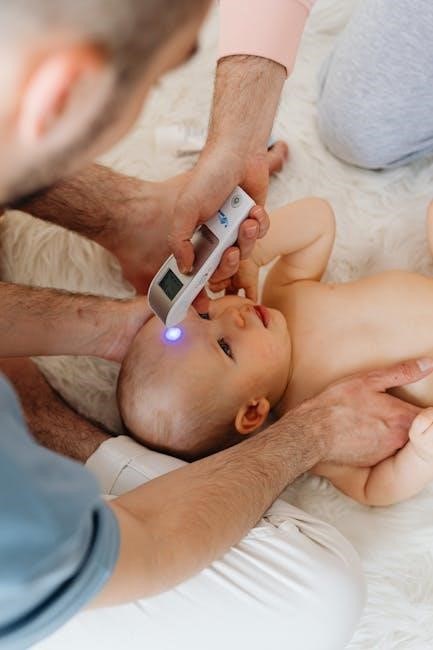
Assessing your baby’s temperature doesn’t always require a thermometer; feeling their skin provides valuable insights․ Gently touch your baby’s abdomen, back of the neck, or chest – avoid extremities like hands and feet, as they often feel cooler․ Warm, but not hot or sweaty, skin generally indicates a comfortable temperature․
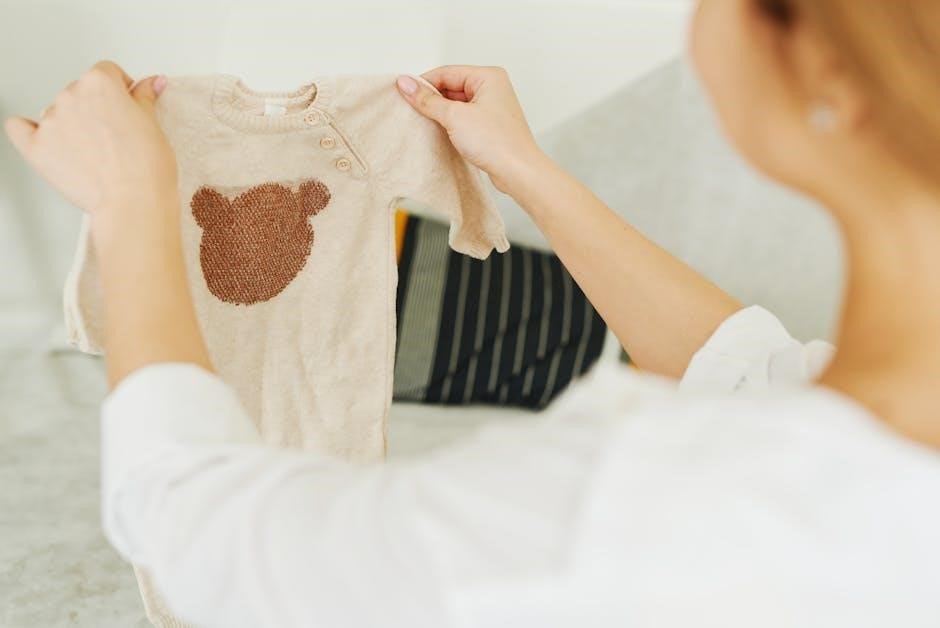
If the skin feels cool to the touch, it’s a sign your baby might be getting cold and needs an additional layer of clothing․ Conversely, if the skin feels hot and flushed, remove a layer to prevent overheating; Pay close attention to subtle cues; a slightly warmer temperature is normal during activity, but persistent warmth warrants attention․ Remember, babies can’t regulate their temperature as effectively as adults, making consistent monitoring essential for their well-being․
Recognizing Signs of Overheating and Cooling
Identifying overheating or cooling is vital for your baby’s comfort and safety․ Signs of overheating include flushed cheeks, rapid breathing, restlessness, and damp hair․ A warm chest or back of the neck also indicates excessive heat․ Conversely, signs of cooling include cold hands and feet, shivering (though babies don’t always shiver), and lethargy․
Pale or mottled skin can also signal a baby is too cold․ If you suspect overheating, remove layers and offer fluids (if age-appropriate)․ For cooling, add layers and ensure the room temperature is adequate․ Trust your instincts; if something feels off, consult your pediatrician․ Consistent observation is key to maintaining a comfortable environment for your little one․