
Manual Rod Benders: A Comprehensive Guide
Manual rod benders are essential tools for shaping metal‚ frequently utilized in construction and metalworking. They offer a cost-effective and portable solution for bending rebar‚ conduit‚ and wire‚ relying on leverage and mechanical advantage.
Manual rod benders represent a fundamental tool within the construction‚ metal fabrication‚ and various DIY sectors. Unlike their powered counterparts‚ these devices harness human muscle power‚ offering a portable‚ economical‚ and often quieter alternative for shaping metal rods. Historically‚ metal bending relied heavily on manual techniques‚ evolving over time to incorporate mechanical advantage through lever systems and specialized bending forms.
These benders are primarily designed for cold bending – shaping metal without applying heat. This process maintains the metal’s integrity and avoids altering its properties. Common applications include creating precise bends in rebar for reinforced concrete‚ shaping metal conduit for electrical systems‚ and forming wire for various structural or artistic purposes. The core principle involves applying controlled force to a metal rod‚ forcing it to conform to a desired angle or curvature.

Understanding the capabilities and limitations of manual rod benders is crucial for selecting the appropriate tool for a specific task. Factors such as rod diameter‚ material type‚ and desired bend radius all influence the choice and effective use of these versatile tools.
Types of Manual Rod Benders
Manual rod benders aren’t a one-size-fits-all solution; they come in various designs tailored to specific needs. Broadly‚ they fall into two primary categories: leverage-based and hinge-based. Leverage-based benders utilize long handles and a strategically placed fulcrum to amplify force‚ making them ideal for bending thicker rods like rebar. These often feature interchangeable forming pins to accommodate different bend diameters.
Hinge-based benders‚ conversely‚ employ a hinged mechanism and a series of dies or rollers to gradually bend the rod. They are generally more versatile for creating complex bends and curves‚ often favored for conduit bending where precision is paramount. Portable versions are lightweight and easily transported to job sites‚ while stationary models offer increased stability and bending capacity.
Furthermore‚ specialized benders exist for specific materials like wire‚ often featuring smaller bending forms and finer adjustments. The choice depends heavily on the material being bent‚ the required bend radius‚ and the frequency of use. Understanding these distinctions is key to selecting the most efficient tool.
Leverage-Based Rod Benders
Leverage-based rod benders are renowned for their ability to tackle substantial bending tasks‚ particularly with rebar. Their design centers around a long handle extending from a fulcrum point‚ dramatically increasing the mechanical advantage applied to the rod. This allows users to bend thicker materials with significantly less physical effort.
These benders typically incorporate interchangeable forming pins or rollers‚ each corresponding to a specific bend diameter. By selecting the appropriate pin‚ users can consistently create bends of the desired radius. The operation involves positioning the rod‚ securing it against the forming pin‚ and applying downward pressure on the handle.
The simplicity and robustness of leverage-based benders make them popular on construction sites. However‚ they are generally less suited for intricate bends or smaller diameter materials. Proper technique is crucial to avoid material deformation or damage. Regular inspection of the handle and fulcrum point is essential for safe and efficient operation.
Hinge-Based Rod Benders
Hinge-based rod benders offer a different approach to metal shaping‚ prioritizing versatility and precision for smaller diameter rods and more complex bends. Unlike leverage-based models‚ these benders utilize a hinged mechanism that allows the rod to be gradually curved around a forming mandrel.
The design typically features a base plate with a series of strategically placed hinges. The rod is clamped into position‚ and then a handle is used to apply controlled pressure‚ forcing the material to conform to the mandrel’s shape. Interchangeable mandrels enable the creation of various bend radii and angles.
Hinge-based benders excel at producing smooth‚ consistent bends in materials like wire rod and thin conduit. They are often favored by metalworkers and fabricators requiring intricate shapes. While they may require more manual dexterity than leverage-based benders‚ they offer greater control and accuracy. Regular lubrication of the hinge points ensures smooth operation and longevity.
Portable vs. Stationary Manual Rod Benders
Manual rod benders come in two primary configurations: portable and stationary‚ each catering to different project needs and work environments. Portable benders prioritize convenience and adaptability‚ designed for on-site use where fixed infrastructure isn’t available. These are typically lighter‚ more compact‚ and often feature a simpler design‚ focusing on essential bending capabilities.
Stationary models‚ conversely‚ are built for robustness and high-volume bending tasks. They are generally larger‚ heavier‚ and securely mounted to a workbench or the floor. This provides increased stability and leverage‚ allowing for bending of thicker materials and larger diameters. Stationary benders often incorporate multiple bending pins and angle guides for enhanced precision.
The choice between portable and stationary depends on the project scope and location. For construction sites or remote locations‚ a portable bender is ideal. For workshops or fabrication facilities‚ a stationary bender offers superior performance and efficiency. Consider weight‚ size‚ and bending capacity when making your decision.
Materials Commonly Bent with Manual Rod Benders
Manual rod benders demonstrate versatility‚ effectively shaping a range of metal materials commonly used in construction‚ fabrication‚ and DIY projects. Rebar‚ or reinforcing bar‚ is a primary material‚ bent to create the necessary shapes for concrete structures‚ providing essential structural support. The benders accommodate various rebar sizes and bending angles.
Metal conduit‚ used for electrical wiring protection‚ is another frequent application. Benders allow for precise bends in conduit‚ ensuring smooth wire runs and compliance with electrical codes. Wire rod‚ typically smaller in diameter‚ is also readily bent for applications like fencing‚ crafting‚ and tie wires.
While primarily designed for these materials‚ some manual benders can handle mild steel and other malleable metals. However‚ bending capacity and material hardness are crucial considerations. Attempting to bend excessively hard or thick materials can damage the bender or produce unsatisfactory results. Always check the bender’s specifications before use.
Rebar Bending
Rebar bending with a manual rod bender is a cornerstone of concrete construction‚ creating the reinforcing cages vital for structural integrity. Manual benders excel at producing standard rebar shapes like 90-degree hooks‚ stirrups‚ and various bends required in building plans. The process involves securely positioning the rebar within the bender‚ selecting the desired bending angle‚ and applying controlled leverage.
Proper technique is crucial; consistent pressure ensures accurate bends without damaging the rebar. Different bender designs accommodate varying rebar diameters‚ so selecting the correct tool is paramount. Skilled operators can achieve repeatable‚ precise bends‚ minimizing material waste and ensuring code compliance.
Understanding bend allowances and radii is essential for accurate rebar placement within concrete forms. Manual bending offers on-site flexibility‚ allowing adjustments as needed during construction. However‚ larger projects may benefit from powered benders for increased efficiency and speed.
Metal Conduit Bending
Metal conduit bending using a manual rod bender is a common practice in electrical installations‚ enabling precise routing of wiring within buildings. Manual benders designed for conduit typically feature formed shoes or dies that correspond to the conduit’s outer diameter‚ ensuring clean‚ accurate bends without kinking or flattening the tubing.
The process requires careful measurement and marking of the conduit to indicate the desired bend location and angle. The bender is then securely clamped onto the conduit‚ and leverage is applied to achieve the bend. Different bender models cater to various conduit sizes and bending radii.
Achieving smooth‚ consistent bends is vital for maintaining the conduit’s structural integrity and facilitating wire pulling. Understanding bend allowances and utilizing appropriate bending techniques prevents excessive stress on the conduit. While manual bending is suitable for smaller projects‚ larger installations may necessitate powered conduit benders for increased efficiency.
Wire Rod Bending

Wire rod bending with a manual rod bender is frequently employed in applications requiring precise shaping of metal wire‚ such as creating custom brackets‚ reinforcing elements‚ or artistic designs. Manual benders suited for wire typically incorporate smaller bending forms and adjustable guides to accommodate varying wire diameters and bend complexities.
The process involves securing the wire within the bender’s jaws and utilizing leverage to gradually form the desired curve or angle. Achieving accurate bends demands careful control and a firm grip‚ preventing slippage or distortion of the wire. Different bender designs offer varying degrees of precision and control.
For intricate shapes‚ multiple bends may be required‚ necessitating repositioning the wire within the bender after each bend. Understanding the wire’s ductility and avoiding overbending are crucial to prevent weakening or fracturing the material. Manual wire bending is ideal for small-scale projects and prototyping.
Understanding Rod Bender Capacity
Rod bender capacity refers to the maximum diameter and grade of material a manual bender can effectively shape without damage to the tool or the material itself. This specification is crucial for selecting the appropriate bender for a given project‚ ensuring both safety and successful bending.
Capacity is typically expressed in terms of rebar size (e.g.‚ #3‚ #4‚ #5) or material diameter (in millimeters or inches) and yield strength. Exceeding the stated capacity can lead to bending form deformation‚ handle breakage‚ or incomplete‚ inaccurate bends. Always consult the manufacturer’s specifications before use.
Factors influencing capacity include the bender’s construction‚ the leverage ratio‚ and the material’s properties. Heavier-duty benders with longer handles generally offer greater capacity. Understanding the material’s tensile strength and ductility is also vital; harder materials require more force and may necessitate a higher-capacity bender.

Bending Radius and Techniques
Achieving the desired bending radius with a manual rod bender requires understanding the tool’s design and employing proper techniques. The bending radius is the curvature of the bend‚ influencing the structural integrity of the bent component. Different projects demand varying radii‚ from tight curves to gentle arcs.
Manual rod benders utilize pins or dies to define the bending radius; Selecting the correct pin or die is paramount. Techniques involve securely clamping the rod‚ applying consistent force‚ and slowly increasing the bend angle. Avoid jerky movements‚ which can cause inconsistencies or material weakening.
For accurate bends‚ pre-marking the desired bend location is recommended. Consider the material’s springback – the tendency to return slightly towards its original shape after bending. Experienced users often overbend slightly to compensate. Proper technique minimizes stress concentrations and ensures a smooth‚ controlled bend.
Safety Precautions When Using a Manual Rod Bender
Operating a manual rod bender demands strict adherence to safety protocols to prevent injuries. Always wear appropriate personal protective equipment (PPE)‚ including safety glasses to shield against flying debris‚ and work gloves to enhance grip and protect hands from sharp edges.
Ensure the rod bender is securely positioned on a stable surface before use. Avoid bending excessively hard materials beyond the tool’s capacity‚ as this can lead to breakage and potential hazards. Maintain a firm grip on both the rod and the bender during operation‚ controlling the bending force.

Never place hands or body parts within the bending zone while applying force. Be mindful of springback – the sudden release of energy when the material returns slightly. Inspect the bender regularly for signs of wear or damage‚ and discontinue use if any issues are detected. A safe working environment is crucial.
Proper Rod Bender Maintenance
Consistent maintenance is vital for extending the lifespan and ensuring the optimal performance of your manual rod bender. After each use‚ thoroughly clean the tool‚ removing any debris‚ rust‚ or metal shavings with a wire brush. Lubricate moving parts – hinges‚ levers‚ and bending pins – with a penetrating oil to reduce friction and prevent corrosion.

Regularly inspect the bender for signs of wear and tear‚ paying close attention to the bending form‚ handle grips‚ and any welding points. Tighten any loose bolts or screws. If the bending form shows significant wear‚ consider replacing it to maintain accurate bends.
Store the rod bender in a dry environment to prevent rust. A light coating of rust preventative can further protect against corrosion. Periodically check for and address any cracks or structural damage. Proper care ensures reliable operation and minimizes the risk of failure during use.
Choosing the Right Rod Bender for Your Project
Selecting the appropriate manual rod bender hinges on the scope and demands of your project. Consider the material you’ll be bending – rebar‚ conduit‚ or wire – as each requires different bending capacities and form configurations. Assess the diameter and grade of the material; larger diameters and higher grades necessitate a bender with greater strength and leverage.
Determine whether a portable or stationary model best suits your needs. Portable benders offer flexibility for on-site work‚ while stationary models provide increased stability and power for high-volume bending. Evaluate the bending radius requirements of your project; some benders offer adjustable radii for versatility.
Finally‚ factor in your budget and anticipated frequency of use. Investing in a durable‚ well-constructed bender will prove cost-effective in the long run‚ ensuring reliable performance and minimizing the need for frequent replacements.
Rod Bender Accessories and Attachments
Enhancing the functionality of a manual rod bender often involves utilizing specialized accessories and attachments. These additions broaden the bender’s capabilities‚ allowing for more precise and diverse bending operations. Common accessories include various sized bending pins or dies‚ catering to different material diameters and bend radii.
Forming shoes or rollers are crucial for creating specific shapes‚ such as hoops‚ spirals‚ or saddles. These attachments guide the material during bending‚ ensuring consistent and accurate results. Some benders accommodate extension handles to increase leverage‚ simplifying the bending of thicker or harder materials.
Additionally‚ securing clamps and stands provide stability during operation‚ improving safety and precision. Consider investing in a foot pedal or lever extension for increased comfort and reduced operator fatigue‚ particularly during prolonged use. Properly selected accessories significantly expand the versatility and efficiency of your manual rod bender.
Common Rod Bending Errors and How to Avoid Them
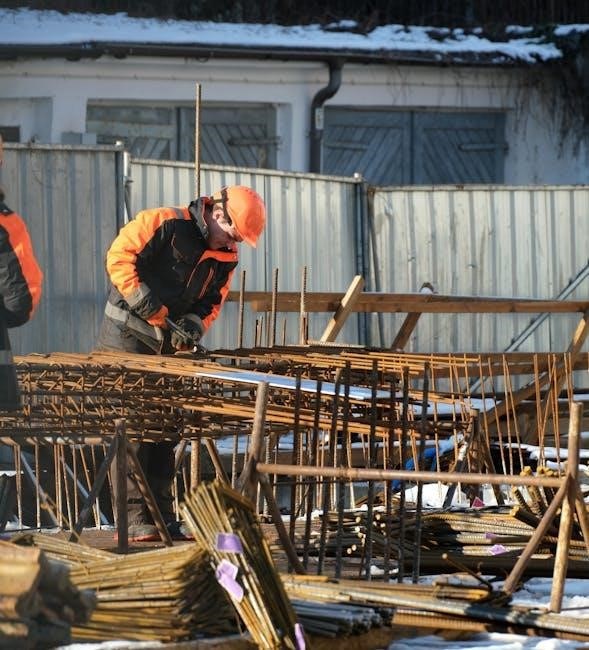
Several common errors can occur when using a manual rod bender‚ impacting the accuracy and quality of the bend. One frequent mistake is inconsistent pressure application‚ leading to uneven bends or material distortion. Ensure a smooth‚ controlled bending motion throughout the process.
Incorrect pin or die selection for the material’s diameter is another issue‚ potentially damaging the bender or producing flawed bends. Always verify compatibility before starting. Overbending or exceeding the bender’s capacity can also cause damage or material failure; adhere to specified limits.
Insufficient material support during bending can result in unwanted kinks or bends. Securely clamp the material to prevent movement. Finally‚ neglecting proper lubrication can increase friction and strain on the bender. Regularly lubricate moving parts to ensure smooth operation and prevent wear. Careful attention to these details minimizes errors and maximizes bending precision.
Calculating Bend Allowances
Accurate bend allowances are crucial for achieving precise results with a manual rod bender. These allowances compensate for material springback – the tendency of bent metal to return slightly towards its original shape. Calculating this requires understanding the material’s properties and the bending radius.
A basic formula involves considering the material’s thickness‚ bend radius‚ and a springback factor specific to the metal type. For rebar‚ a common springback factor is around 2-5%‚ meaning the actual bend will be slightly less than intended. More precise calculations may involve trigonometric functions‚ especially for complex bends.
Experienced benders often develop a feel for allowances through practice‚ but initial projects benefit from careful measurement and testing. Creating a sample bend and comparing it to the desired angle helps refine the calculation. Online calculators and charts can also assist in determining appropriate allowances‚ ensuring accurate and consistent bends.
Rod Bender Construction and DIY Options
Constructing a manual rod bender can be a viable option for hobbyists or those with infrequent bending needs. DIY designs typically involve a sturdy frame‚ a bending pin or former‚ and a leverage mechanism. Common materials include heavy-duty steel tubing and angle iron‚ ensuring structural integrity.

Numerous online resources offer plans and tutorials for building various rod bender types‚ ranging from simple lever-based designs to more complex hinge-based models. These plans often emphasize safety precautions‚ such as secure welding and proper pin locking mechanisms.
However‚ DIY construction requires significant fabrication skills and access to appropriate tools. Ensuring accurate bending angles and consistent results can be challenging. Purchasing a commercially manufactured rod bender often provides superior precision‚ durability‚ and safety features‚ despite the higher initial cost. Careful consideration of skill level and project requirements is essential when deciding between building and buying.
Comparing Manual Rod Benders to Powered Benders
Manual rod benders and powered benders cater to different needs. Manual benders excel in portability and affordability‚ requiring only physical effort for operation. They are ideal for small projects‚ on-site adjustments‚ and locations lacking electricity.
Powered benders‚ conversely‚ offer significantly increased speed and capacity. Hydraulic or electric models can bend larger diameter rods and handle high-volume production with minimal operator fatigue. They often feature precise angle control and automated features for consistent results.
However‚ powered benders are considerably more expensive‚ require a power source‚ and are less maneuverable. Manual benders‚ while slower‚ provide a tactile feel and greater control for intricate bends. The choice depends on project scale‚ budget‚ and the frequency of bending operations. For occasional use and smaller tasks‚ a manual bender remains a practical and economical solution.
Cost Considerations for Manual Rod Benders
Manual rod benders represent a relatively low-cost investment compared to powered alternatives. Basic‚ handheld models can range from $50 to $200‚ suitable for light-duty tasks and occasional use. These typically accommodate smaller diameter rebar and wire.

More robust‚ leverage-based benders‚ capable of handling thicker materials and providing greater bending power‚ generally fall within the $200 to $500 price range. Stationary models with increased capacity and durability can exceed $500‚ approaching the lower end of powered bender costs.
Additional expenses may include bending pins or dies specific to the desired rod diameter and bend radius. These attachments typically cost between $20 and $100 per set. Considering long-term value‚ a higher initial investment in a durable‚ versatile manual bender can prove more cost-effective than repeatedly replacing cheaper models. Ultimately‚ budget and project requirements dictate the appropriate price point.
Future Trends in Rod Bending Technology
While manual rod benders have a long history‚ innovation continues‚ albeit at a slower pace than powered bending systems. Current trends focus on enhancing ergonomics and efficiency within the manual realm. We’re seeing designs incorporating improved handle grips and leverage mechanisms to reduce user fatigue and increase bending power.
Material science is also playing a role‚ with manufacturers exploring lighter yet stronger alloys for bender construction‚ improving portability without sacrificing durability. Modular designs‚ allowing for quick attachment changes for different rod sizes and bend types‚ are gaining traction.

Interestingly‚ a hybrid approach – combining manual power with limited mechanical assistance – may emerge. This could involve ratcheting mechanisms or spring-assisted levers. Though fully automated manual benders are unlikely‚ expect refinements focused on user comfort‚ versatility‚ and the ability to tackle increasingly complex bending tasks with greater ease and precision.